

Horror Films That Redefined the Genre
Horror is one of cinema’s oldest and most influential genres—constantly evolving, continually reshaping itself, and perpetually pushing boundaries. From psychological terror to supernatural dread, from bloody slashers to elevated, arthouse nightmares, horror has always been a mirror reflecting our deepest fears. But every once in a while, a film comes along that doesn’t just scare us—it reshapes the genre itself. It rewrites the rules, influences generations of filmmakers, and leaves a permanent mark on the cultural psyche.
Below are the horror films that transformed the landscape, changed audience expectations, and pushed the genre into bolder, darker, and more innovative territory.
1. Psycho (1960) — The Birth of Modern Horror
Alfred Hitchcock’s Psycho is often considered the moment horror entered the modern age. With its shocking narrative twist, daring depiction of violence, and psychological tension, it demolished expectations. The infamous shower scene—still studied today—redefined suspense and showed audiences that horror could be both sophisticated and disturbing. Hitchcock proved that the monster doesn’t need to be supernatural; sometimes the scariest villain is human.
2. The Exorcist (1973) — Fear Elevated to Art
The Exorcist wasn’t just a horror film—it was a cultural earthquake. It pushed the boundaries of what could be shown on screen, combining religious terror, taboo imagery, and emotional storytelling in ways audiences had never seen. Its realism made the supernatural feel shockingly possible. It became the first horror movie nominated for Best Picture and remains a benchmark for serious, prestige horror.
3. Halloween (1978) — The Blueprint for Slashers
John Carpenter’s Halloween established the modern slasher formula: a masked killer, a final girl, suburban dread, and chillingly minimalist music. With its low budget and brilliant atmosphere, it proved that horror could be both simple and incredibly effective. Its influence is massive—Friday the 13th, A Nightmare on Elm Street, and countless slashers owe their existence to Carpenter’s masterpiece.
4. The Shining (1980) — Psychological Horror Perfected
Stanley Kubrick transformed Stephen King’s novel into a surreal, slow-burning, psychological nightmare. From the haunting score to the unforgettable imagery—the twins, the elevator of blood, “Here’s Johnny!”—The Shining carved out a new space for horror that is intellectual, interpretive, and deeply unsettling. It proves that horror doesn’t always need jump scares; sometimes madness itself is frightening enough.
5. A Nightmare on Elm Street (1984) — Horror Meets the Surreal
Wes Craven’s introduction of Freddy Krueger changed horror by blending supernatural terrors with dreamlike, surreal imagery. The concept of a killer who strikes in your sleep—when you’re most vulnerable—was revolutionary. It opened the door for more imaginative, supernatural horror and showed that creativity could coexist with brutality.
6. The Blair Witch Project (1999) — The Found-Footage Revolution
This micro-budget indie film became a global phenomenon. The Blair Witch Project changed everything by introducing mainstream audiences to found-footage horror. Its cinéma vérité style, viral marketing, and ambiguous terror blurred the line between fiction and reality. Films like Paranormal Activity, REC, Cloverfield, and hundreds more owe their existence to this groundbreaking project.
7. The Ring (2002) — American Horror Goes Global
The Ring introduced Western audiences to J-horror’s distinct style: creeping dread, tragic ghosts, and psychological terror over gore. Its success opened the floodgates for international horror remakes and inspired a new wave of atmospheric, culturally diverse horror films. Samara climbing out of the TV remains one of the most iconic images in modern horror.
8. Saw (2004) — The Rise of Moral Horror
With its shocking twist ending and brutal traps, Saw reinvented horror in the 2000s. It popularized the “torture-horror” subgenre—often mislabeled but deeply rooted in moral dilemmas and psychological tension. Saw made audiences confront uncomfortable questions about survival, guilt, and justice. It also showcased that horror could succeed through clever storytelling and high tension, even on a tiny budget.
9. Paranormal Activity (2007) — Found-Footage Perfected
While The Blair Witch Project invented the form, Paranormal Activity refined it. Its minimalist approach—static cameras, naturalistic acting, and slow-building tension—became a phenomenon. The film’s success demonstrated the power of suggestion and revitalized the found-footage trend for a new generation.
10. Get Out (2017) — Social Horror Takes Center Stage
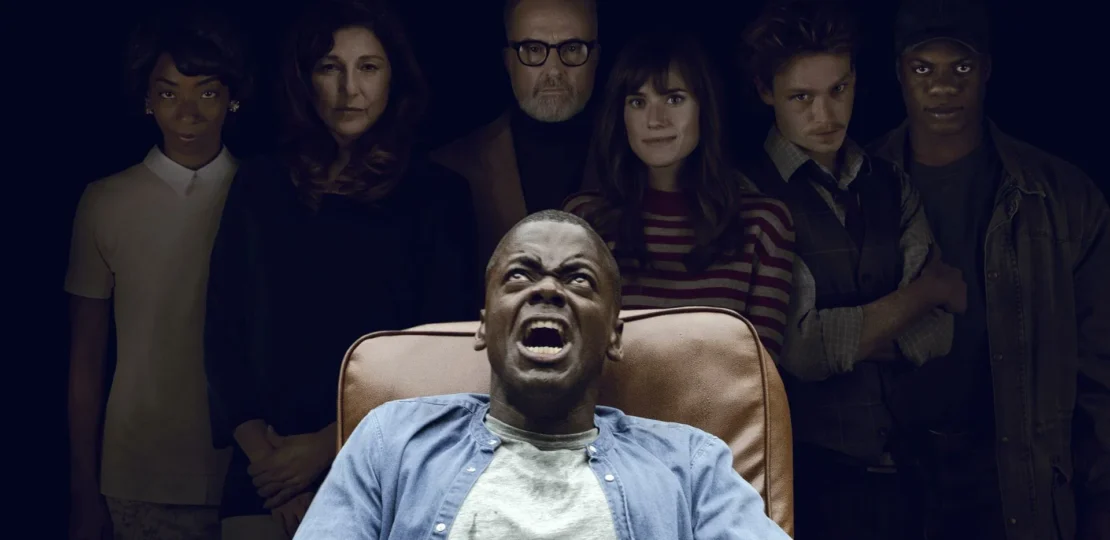
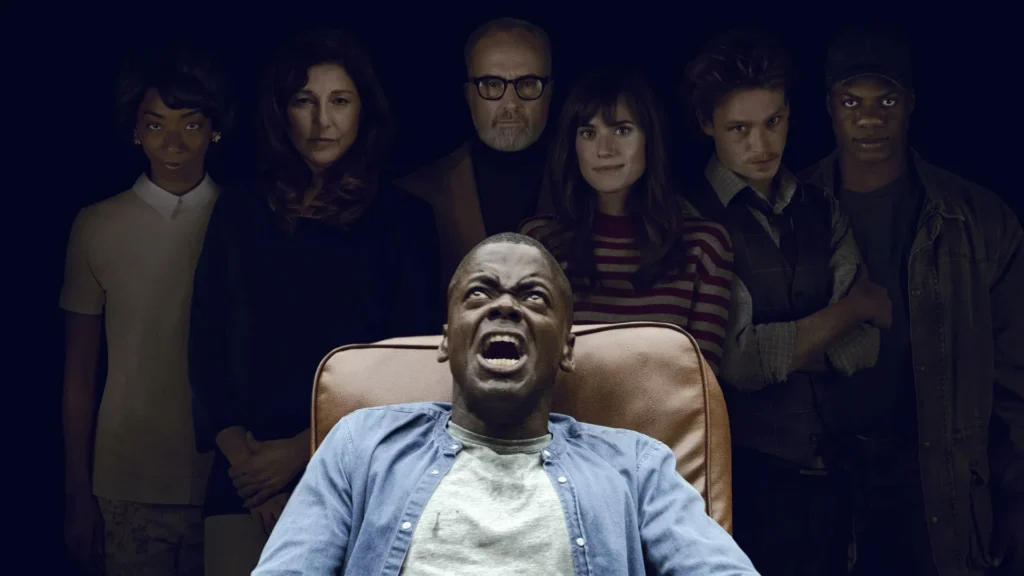
Jordan Peele’s Get Out redefined the genre for the modern era, proving that horror can be sharp, satirical, political, and profoundly relevant. It combined social commentary with psychological tension, creating a new wave of “social horror” that explored real-world fears—racism, marginalization, and identity. Its success opened the door for films like Us, Candyman (2021), His House, and others that intertwine politics with terror.
11. Hereditary (2018) — A New Era of Elevated Horror
Ari Aster’s debut film blindsided audiences with its shocking twists, disturbing imagery, and slow-building dread. Hereditary ushered in the era of “elevated horror”—artful, atmospheric, character-driven stories that trade jump scares for emotional devastation. Its influence is seen in films like Midsommar, The Witch, and The Babadook. Few films in recent memory have left audiences so shaken.
12. A Quiet Place (2018) — Horror Through Silence
John Krasinski’s A Quiet Place created a powerful new gimmick: a horror film where silence is deadly. The idea that sound attracts monsters forced audiences into uncomfortable stillness. The film proved that mainstream horror could be both innovative and emotionally resonant, driven by family dynamics as much as frights.
Why These Films Matter
Each of these movies didn’t just scare audiences—they expanded the boundaries of what horror could be:
- Hitchcock brought intelligence and shock.
- Carpenter perfected atmosphere.
- Blumhouse reinvented low-budget innovation.
- Peele blended horror with cultural critique.
- Aster redefined terror as emotional tragedy.
They challenged conventions, inspired new subgenres, and showed that horror is one of cinema’s most flexible, expressive, and enduring forms.
Final Thoughts
Horror continues to evolve because filmmakers never stop experimenting with fear. Every decade brings new innovations, new nightmares, and new ways to unsettle audiences. And as long as people crave the adrenaline of being scared in the dark, the genre will keep reinventing itself.
RELATED POSTS
View all