


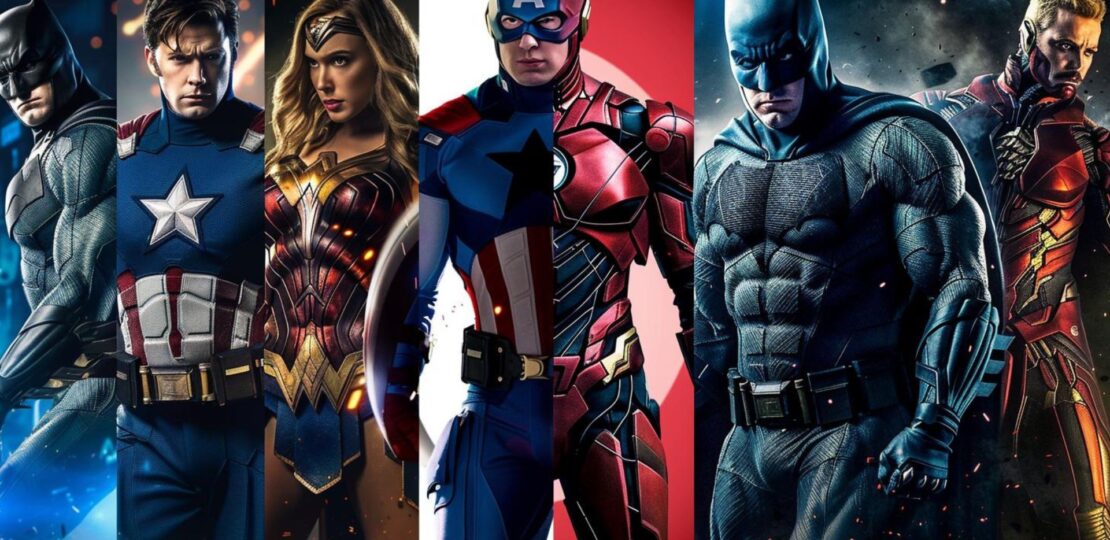
The Evolution of Superhero Films: From Then to Now
How Comic Book Heroes Transformed Cinema Over Eight Decades
Superhero films are now some of the biggest, boldest, and most influential movies in the world. They dominate the box office, shape popular culture, and inspire generations of fans. But this global phenomenon didn’t happen overnight. The journey from campy adaptations to billion-dollar cinematic universes is a fascinating evolution—one filled with groundbreaking moments, failures that led to innovation, and stories that pushed the limits of imagination.
This is the story of how superhero films have evolved—from simple adventures to complex, emotionally rich epics that define modern entertainment.
1. The Early Years (1940s–1950s): Heroes in Their Infancy
The first superhero films didn’t begin with the grand spectacle we know today. They were serials—short weekly installments shown before feature films in theaters.
Key Examples:
- Adventures of Captain Marvel (1941)
- Batman (1943)
- Superman (1948)
These productions were low-budget, often simplistic, and aimed at younger audiences. Still, they established important foundations:
✔ the masked hero
✔ the moral code
✔ the battle against evil
✔ the visual language of comic book adaptations
The limitations of special effects and budget kept these films grounded—but they ignited a spark that would someday become a global phenomenon.
2. The Rise of the Big-Screen Hero (1970s–1980s): Hope and Spectacle
The superhero film landscape changed forever with Superman (1978), starring Christopher Reeve. For the first time, audiences saw a superhero portrayed with emotional depth and cinematic grandeur.
Superman (1978): The Game-Changer
Richard Donner’s film introduced:
- groundbreaking visual effects
- a sincere, hopeful tone
- a charismatic lead performance
- John Williams’ iconic score
Audiences believed a man could fly, and Hollywood took notice.
Batman (1989): The Dark Turn
Tim Burton’s Batman marked another milestone.
Its darker, stylized aesthetic proved that superhero stories could be complex, adult, and atmospheric. It shattered box office expectations and made superheroes a major cinematic force again.
3. The 1990s: Experimentation, Misfires, and Growing Pains
The 90s were a mixed bag—full of enthusiasm but hampered by inconsistent filmmaking.
Highlights:
- Blade (1998) offered a bold, R-rated take with sleek action.
- The Crow (1994) blended gothic style with superhero mythology.
- Batman Returns and Batman Forever mixed darkness with rising camp.
But there were missteps too:
- Batman & Robin (1997) nearly killed the genre with its campy tone and toy-commercial style.
However, these failures taught Hollywood crucial lessons—showing that audiences craved sincerity, grit, and substance.
4. The Birth of Modern Superheroes (2000s): Foundations of the New Era
The 2000s redefined everything. This decade laid the groundwork for the superhero genre as we know it today.
X-Men (2000): Realism Meets Fantasy
Bryan Singer’s X-Men introduced:
- grounded characters
- social allegories
- more mature themes
It proved superhero films could be serious and culturally relevant.
Spider-Man (2002): The Blockbuster Explosion
Sam Raimi’s Spider-Man became a phenomenon.
It featured:
- high emotional stakes
- jaw-dropping action
- a lovable, relatable hero
Spider-Man’s success proved that superhero films could be both critically acclaimed and wildly profitable.
Batman Begins (2005): The Reinvention
Christopher Nolan’s gritty reboot reshaped superhero storytelling.
With realism, character psychology, and thematic depth at its core, Batman Begins set a new bar for what the genre could accomplish.
5. The MCU Era (2008–2019): A Cinematic Revolution
Marvel Studios changed cinema with a bold idea—a connected universe. In 2008, Iron Man launched the Marvel Cinematic Universe (MCU), beginning a storytelling experiment unmatched in film history.
Why the MCU Succeeded:
- Interconnected storylines
- Strong character development
- Consistent tone and quality
- Diverse genres (heist, spy, cosmic, magical)
- Fan-focused world-building
Films like The Avengers (2012), Guardians of the Galaxy (2014), Black Panther (2018), and Infinity War (2018) showcased how varied and ambitious the genre could be.
The Cultural Impact
- Black Panther became a global cultural event.
- Avengers: Endgame became one of the highest-grossing films of all time.
By the late 2010s, superhero films weren’t just popular—they were the backbone of mainstream cinema.
6. The Rise of DC’s Darker Stories (2010s–2020s)
While Marvel embraced connected storytelling, DC took a different path—focusing on darker, standalone stories.
Successful entries include:
- The Dark Knight (2008) — a crime masterpiece
- Wonder Woman (2017) — an empowering hero journey
- Aquaman (2018) — a visual spectacle
- The Batman (2022) — a noir detective epic
- Joker (2019) — a psychological character study
DC’s willingness to experiment has kept the genre fresh and bold.
7. The Modern Landscape: New Voices, New Worlds, New Heroes
Today, superhero films have evolved far beyond capes and traditional good-vs-evil tropes.
Trends Shaping the New Era:
1. Diversity and Representation
Films like:
- Shang-Chi
- Black Panther
- Spider-Man: Into the Spider-Verse
showcase heroes from different cultures and backgrounds, expanding the genre’s reach.
2. Genre-Blending
Superhero movies now blend with:
- horror (Doctor Strange 2)
- comedy (Deadpool)
- romance (The Amazing Spider-Man)
- drama (Logan)
This keeps the genre fresh and innovative.
3. Streaming Expansion
Series like:
- WandaVision
- The Boys
- Peacemaker
explore mature and experimental storytelling that wouldn’t fit theatrical formats.
4. Mature, Character-Focused Stories
Films like Logan and Joker prove superhero films can be high art—emotionally complex, deeply human, and critically acclaimed.
8. The Future: Where Do Superhero Films Go From Here?
As audiences evolve, so must the genre. Future superhero films will likely focus on:
- more grounded and character-driven stories
- fresh mythologies and new heroes
- multiverse-driven storytelling
- innovative animation
- hybrids of indie film sensibilities with blockbuster budgets
The genre isn’t slowing down—it’s transforming.
Final Thoughts: A Genre That Keeps Reinventing Itself
From the serials of the 1940s to the billion-dollar spectacles of today, superhero films have traveled an extraordinary journey. They’ve evolved from simple, campy entertainment to culturally significant narratives that reflect our hopes, fears, and complexities.
Superhero films endure because they speak to something universal:
RELATED POSTS
View all


FlickFusion: Transforming the Way We Experience Visual Content
November 10, 2025 | by Sajawal Ali

MovieVerse 2.5: The Next Evolution of the Cinematic Metaverse
November 10, 2025 | by Sajawal Ali